
What Causes Garage Door Springs to Break
Garage door springs break due to wear and tear, rust buildup, poor maintenance, or excessive tension from frequent use. These components handle high pressure daily, making them one of the most common failure points in any garage door system.
Understanding the causes helps prevent sudden failure, avoid safety risks, and extend the life of your garage door system.
What Are Garage Door Springs and Why They Matter
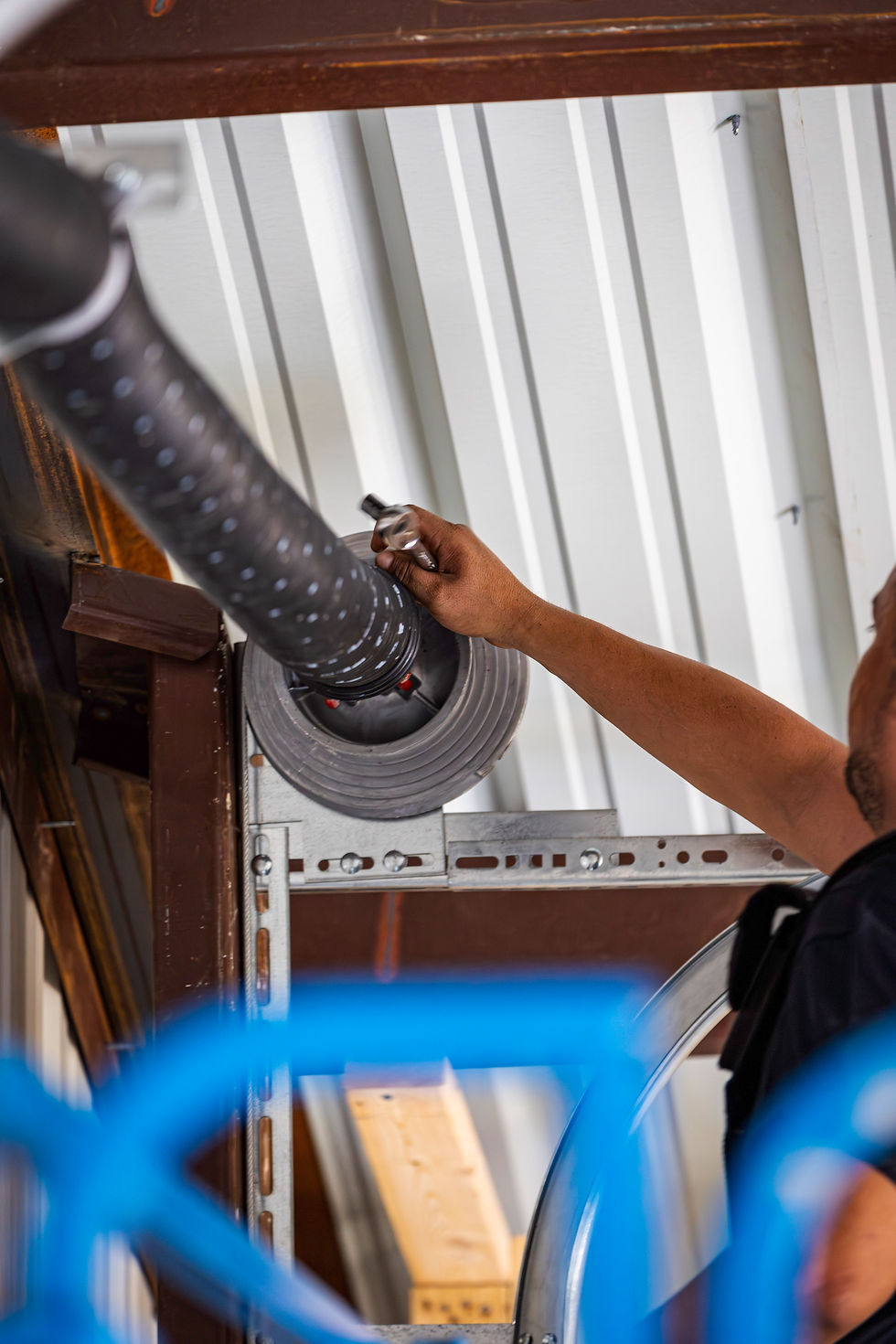
Garage door springs are responsible for lifting and balancing the weight of your door. Without them, the door would be extremely heavy and difficult to operate.
There are two main types of springs:
Torsion springs mounted above the door
Extension springs located along the sides
Both types store mechanical energy and release it to help lift and lower the door smoothly.
What Causes Garage Door Springs to Break
If you are wondering what causes garage door springs to break, several key factors contribute to their failure. These issues often build up over time rather than happening suddenly.
Common Causes Explained
Cause | How It Affects the Spring | Result |
Wear and tear | Repeated cycles weaken metal | Sudden break |
Rust buildup | Corrodes metal surface | Reduced flexibility |
Lack of lubrication | Increases friction | Faster deterioration |
Temperature changes | Expands and contracts metal | Weakens structure |
Poor installation | Uneven tension | Early failure |
Springs are rated for a certain number of cycles. Each time the door opens and closes counts as one cycle, and once that limit is reached, the spring is more likely to snap.
Is It Common for a Garage Door Spring to Break
Yes, spring failure is one of the most common garage door issues homeowners and businesses face.
Why It Happens Frequently
Springs handle the entire weight of the door
Daily use quickly adds up in cycles
Environmental factors weaken materials
Most springs are designed to last between 10,000 and 20,000 cycles. For a door used multiple times per day, this lifespan can be reached within several years.
How Long Should a Garage Door Spring Last
The lifespan of a garage door spring depends on usage, maintenance, and quality.
Average Lifespan of Springs
Usage Level | Expected Lifespan | Explanation |
Light use | 10–12 years | Fewer daily cycles |
Moderate use | 7–10 years | Standard household use |
Heavy use | 3–7 years | Frequent opening/closing |
High-cycle springs are available and can last longer, but they still require proper maintenance to reach their full lifespan.
Can You Manually Open a Garage Door With a Broken Spring
Technically, yes, but it is not recommended unless absolutely necessary.
What Happens With a Broken Spring
Door becomes extremely heavy
Uneven lifting may occur
Risk of injury increases significantly
If you must open it manually, use extreme caution and avoid doing it alone.
Important: A broken spring removes the counterbalance system, meaning the full weight of the door must be handled manually.
For safe handling, it is best to use garage door spring replacement and repair services to restore proper function.
What’s the Average Cost to Replace a Garage Door Spring
The cost of replacing a garage door spring varies depending on the type and complexity of the system.
Spring Replacement Cost Overview
Type of Spring | Average Cost | Notes |
Extension spring | $150–$300 | Lower cost option |
Torsion spring | $200–$500 | More durable and common |
High-cycle spring | $300–$700 | Longer lifespan |
Costs may increase depending on labor, door size, and additional repairs needed.
If your system has multiple issues, combining services such as garage door opener installation and repair can improve overall performance.
Signs Your Garage Door Spring Is About to Break
Recognizing early warning signs can help you avoid sudden failure.
Warning Signs to Watch For
Loud snapping or banging noise
Door opens unevenly
Door feels heavier than usual
Visible gaps in the spring
Slow or jerky movement
If you notice these signs, it is best to address the issue immediately before the spring breaks completely.
When to Repair vs Replace Your Garage Door System
Sometimes, a broken spring is part of a larger issue. Knowing when to repair or replace your system is important.
Decision Guide
Condition | Best Option | Reason |
Isolated spring damage | Repair | Cost-effective fix |
Multiple worn components | Replace | Prevent future issues |
Old system | Replace | Improve efficiency |
If your garage door system is outdated, consider garage door installation and replacement services for a long-term solution.
How to Prevent Garage Door Spring Failure
Preventative maintenance can significantly extend the life of your springs and reduce unexpected breakdowns.
Maintenance Tips
Task | Frequency | Benefit |
Lubricate springs | Every 3–6 months | Reduces friction |
Inspect for rust | Quarterly | Prevents corrosion |
Balance test | Monthly | Ensures proper tension |
Professional inspection | Annually | Detects early issues |
Regular maintenance keeps your garage door system operating safely and efficiently.
For more detailed insights, check this essential guide to garage door replacement for homeowners.
Final Thoughts on What Causes Garage Door Springs to Break
Understanding what causes garage door springs to break helps you prevent unexpected failures and maintain a safe garage door system. Most issues are caused by wear and tear, lack of maintenance, or environmental factors.
By staying proactive with inspections and repairs, you can extend the lifespan of your springs and avoid costly emergencies.

Frequently Asked Questions
1. What causes garage door springs to break?
Garage door springs break due to wear and tear, rust, and repeated use over time. Each opening and closing cycle weakens the metal, and without proper maintenance, the spring eventually fails. Environmental factors like moisture and temperature changes can also accelerate the breakdown process.
2. Is it common for a garage door spring to break?
Yes, it is very common for garage door springs to break because they handle high tension daily. Most springs have a limited cycle lifespan, and frequent use can cause them to wear out faster. Regular maintenance can help extend their life but cannot prevent eventual failure.
3. Can you manually open a garage door with a broken spring?
Yes, but it is not safe and should only be done with extreme caution. Without the spring, the door becomes very heavy and difficult to control. Attempting to lift it alone can result in injury or further damage to the door system.
4. How long should a garage door spring last?
A garage door spring typically lasts between 7 and 12 years depending on usage and maintenance. High-cycle springs may last longer, but frequent use and lack of lubrication can shorten their lifespan significantly.


Comments